

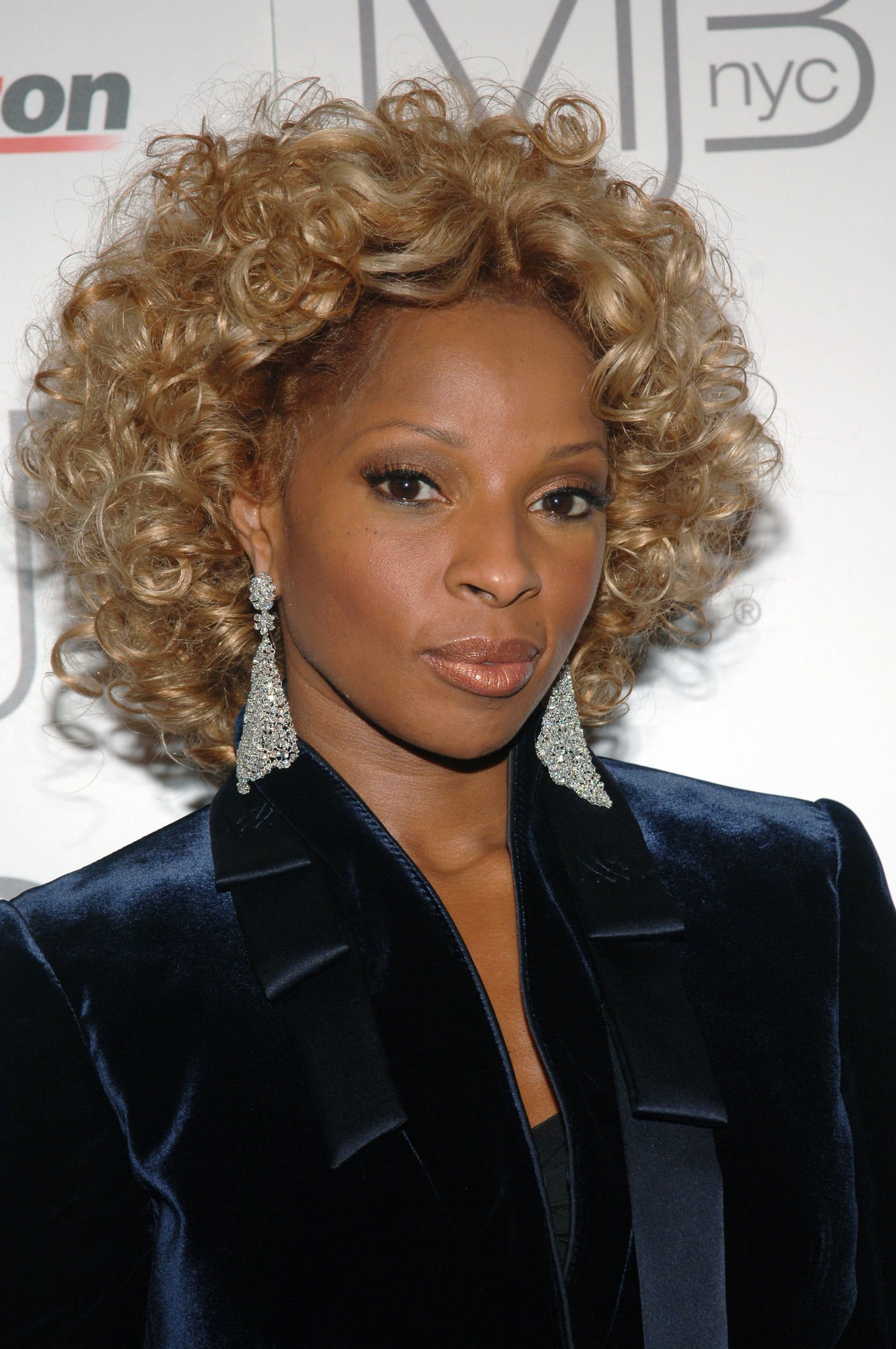

Early Life and Birthplace
Mary J. Blige was born Mary Jane Blige on January 11, 1971, in The Bronx, New York. Raised between the Bronx and Yonkers, her early life was shaped by instability, hardship, and survival. Those experiences would later become the emotional backbone of her music — not as performance, but as truth.
Finding Music Through Pain
Before fame, music was not an escape for Blige — it was a release. Growing up in environments marked by poverty and domestic struggle, she leaned into sound as a way to process what words alone couldn’t carry. Her voice developed not through polish, but through feeling.
The Breakthrough That Changed R&B
In the early 1990s, Mary J. Blige emerged with a sound that hadn’t fully existed before — raw R&B vocals layered over hip-hop beats. Her debut album, What’s the 411?, didn’t just introduce a new artist. It introduced a new lane. One where vulnerability wasn’t hidden, and pain wasn’t softened for radio comfort.
Turning Personal Struggles Into Anthems
Blige’s music never pretended everything was okay. Albums like My Life captured depression, heartbreak, addiction, and self-doubt in a way that felt unfiltered. Listeners didn’t just hear her songs — they recognized themselves in them. That honesty built a bond deeper than fandom.
Growth, Healing, and Artistic Evolution
As her life evolved, so did her music. Mary J. Blige didn’t stay frozen in pain. She documented growth, healing, and self-worth in real time. Later projects reflected strength earned through experience, not image. Her voice matured, but its emotional weight never left.
Longevity Built on Truth, Not Trends
While many artists faded or reshaped themselves to chase relevance, Blige stayed grounded in authenticity. She continued to release music, tour globally, and connect across generations. Her catalog became a timeline — not just of her life, but of listeners who grew alongside her.
Beyond Music: Expanding Her Voice
Blige’s career expanded into acting, production, and cultural leadership, but her core remained the same. Whether on screen or on stage, her presence carried credibility. She wasn’t reinventing herself — she was extending herself.
Why Mary J. Blige’s Story Still Matters
Mary J. Blige represents emotional longevity. She proved that telling the truth — even when it’s uncomfortable — can sustain a career. Her music didn’t promise perfection. It offered honesty. And for millions, that was enough to hold onto for decades.
Her story reminds us that healing can be public, growth can be loud, and strength doesn’t require silence.