

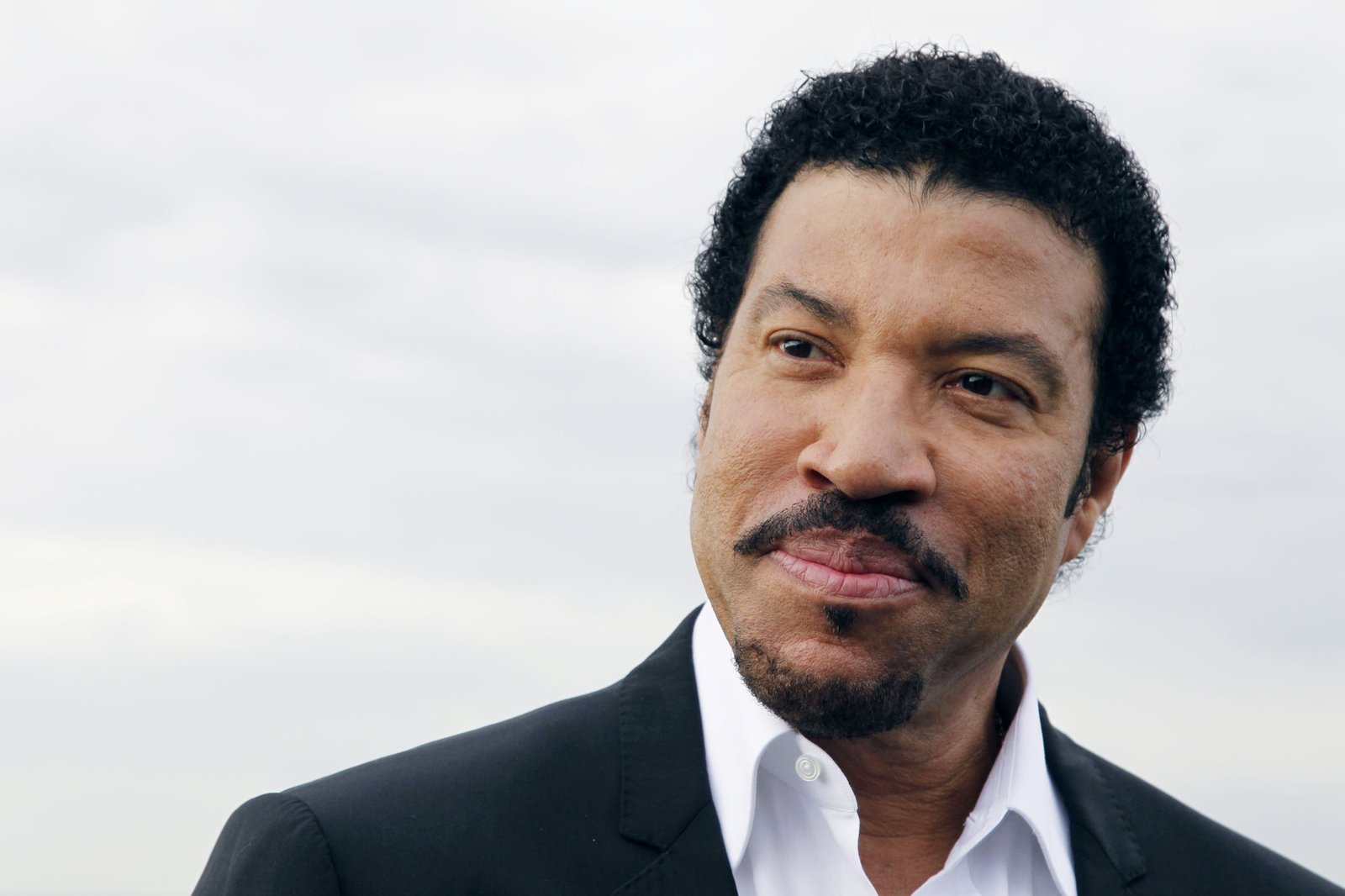

Lionel Richie was born Lionel Brockman Richie Jr. on June 20, 1949, in Tuskegee, Alabama, a city deeply rooted in Black history, education, and resilience. Raised on the campus of Tuskegee Institute, Richie grew up surrounded by structure, discipline, and cultural pride — influences that quietly shaped his character long before fame found him.
Finding Music Before Fame
Before music became a career, it was simply a passion. Richie studied economics at Tuskegee Institute and initially envisioned a future outside the entertainment industry. But music continued to pull at him, offering a creative outlet that numbers never could. What started as an interest soon became a purpose.
The Commodores and the Foundation Years
In the late 1960s, Richie joined The Commodores, a funk and soul band that would later become one of Motown’s most successful groups. While the band delivered energetic performances and crowd-moving records, Richie began to emerge as a songwriter capable of conveying emotional depth. Songs like “Easy” and “Three Times a Lady” revealed a gift for storytelling that resonated far beyond the dance floor.
A Solo Career That Changed Everything
When Lionel Richie launched his solo career in the early 1980s, he didn’t abandon his roots — he expanded them. His sound leaned into melody, sincerity, and universal emotion. Hits like “Hello,” “All Night Long,” and “Stuck on You” became global records, crossing racial, cultural, and generational lines without ever losing authenticity.
Crossing Genres Without Losing Identity
Few artists have managed to move comfortably between R&B, pop, and adult contemporary music without diluting their voice. Richie achieved that balance naturally. His success wasn’t driven by trends or controversy but by consistency and emotional honesty. His music felt familiar yet refined, accessible yet personal.
Longevity in a Changing Industry
As the music industry shifted toward faster cycles and shorter attention spans, Lionel Richie remained steady. He continued touring internationally, drawing crowds that spanned generations. His role as a mentor and judge on American Idol introduced him to younger audiences, reinforcing his status not just as a performer but as a respected voice in music.
A Legacy Built on Craft, Not Noise
Lionel Richie’s career is proof that longevity isn’t accidental. It’s built through discipline, songwriting, and respect for the audience. He never relied on scandal or reinvention. Instead, he trusted the strength of timeless music — songs that continue to live long after their release.
Why Lionel Richie’s Story Still Matters
In an era where success is often measured by viral moments, Lionel Richie reminds us that true impact is measured in years, memories, and connection. His voice didn’t just define moments — it accompanied lives.
That kind of career doesn’t happen quickly.
It happens honestly.