

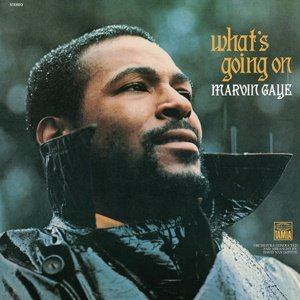

Marvin Gaye didn’t wake up trying to make a political statement. He was trying to understand the world he lived in — and his place in it.
By the late 1960s, Marvin Gaye was one of Motown’s biggest stars. He had built a career on smooth love songs and crossover appeal. His voice was trusted, familiar, and profitable. But outside the studio walls, America was unraveling. The Vietnam War raged on. Civil rights leaders were being assassinated. Cities burned while hope felt increasingly fragile.
Marvin felt the weight of it all.
When Success No Longer Felt Like Enough
Two moments changed everything.
The death of his close friend and singing partner, Tammi Terrell, shook Marvin deeply. Around the same time, his brother returned home from Vietnam, carrying stories that didn’t match the patriotic language playing on the radio. Marvin began questioning whether singing only about romance made sense in a world filled with pain and unrest.
He wanted his music to reflect reality — not escape it.
That desire put him on a collision course with his own label.
A Song Motown Didn’t Want
When Marvin brought What’s Going On to Motown, the response was harsh.
Berry Gordy and other executives believed the song was too political, too risky, and too far from the image Marvin had built. They worried it would hurt sales and alienate listeners.
Marvin refused to back down.
Instead of compromising, he stopped recording altogether. For the first time in his career, he chose silence over obedience. It was a gamble that could have ended everything — but Marvin was willing to risk it.
Eventually, Motown released the single.
The audience responded immediately.
An Album That Changed the Rules
When What’s Going On became a full album in 1971, it didn’t sound like anything else on the radio. The songs flowed together like a conversation, touching on war, poverty, environmental destruction, and police brutality.
Marvin didn’t yell.
He didn’t lecture.
He asked questions.
That approach made the message impossible to ignore.
The album proved that Black music could be socially conscious and still deeply soulful. It also proved that artists didn’t have to stay in the boxes the industry built for them.
The Cost of Speaking Honestly
Marvin Gaye’s courage came with consequences. He continued to struggle with personal demons, pressure from fame, and conflicts with the industry. But his artistic legacy was already secured.
Marvin Gaye reminded the world that asking hard questions can be an act of bravery — and that when Black art speaks honestly, it doesn’t fade. It echoes.