

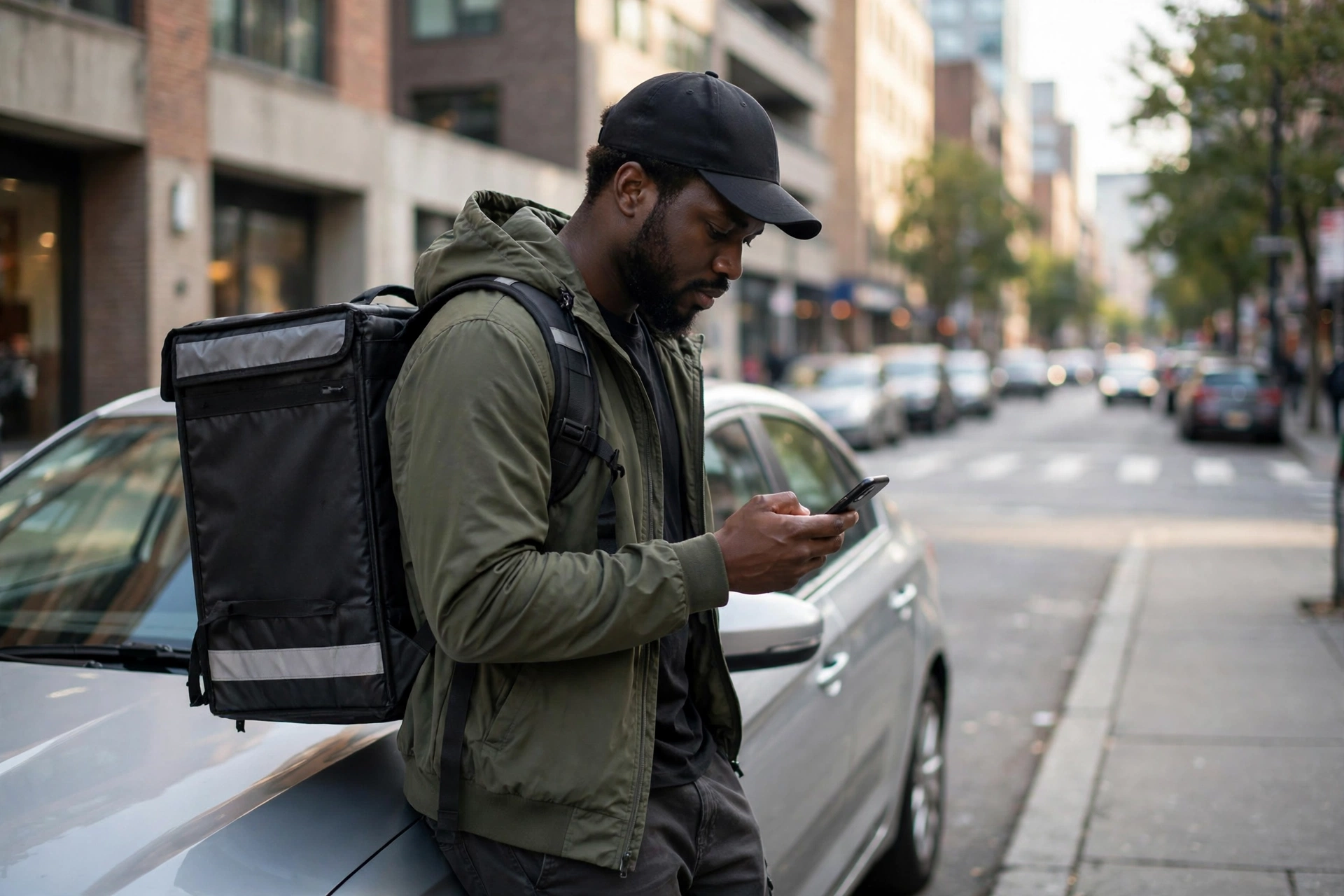

I’ve driven the worst side gigs in America — every app on this list. Here’s the truth about what you actually keep.
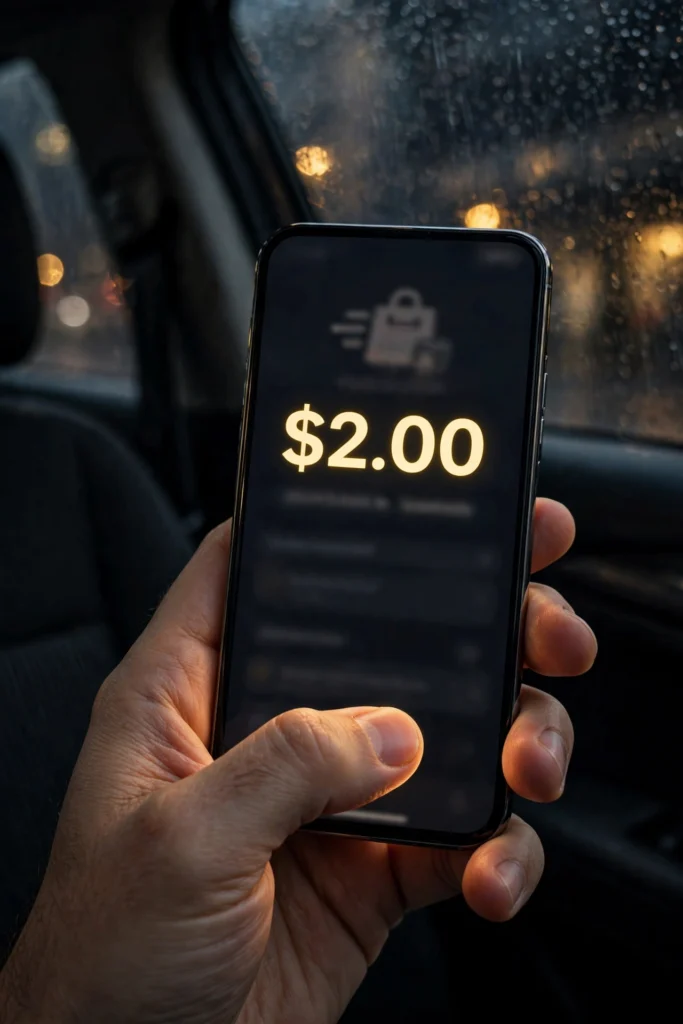
I drove for Uber Eats. One day they sent me an offer: two dollars to pick up a KFC order and drive it five miles. Two dollars. I deleted the app on the spot. And Uber Eats isn’t the only one — I’ve worked all of these apps, and I’m going to tell you the truth about every one of them.
You’ve seen the ads. They’re everywhere — all over social media, on Craigslist, on every employment website, and Uber Eats even has commercials now. “Be your own boss. Make money when you want. Work on your schedule.” What they never advertise is the low pay, the wear and tear on your car, the price of gas, or how much of what the customer pays never makes it to the driver.
And who answers those ads? People out of work. Single parents trying to fill the gaps. People picking up a side gig after their real job. People who can’t find meaningful work anywhere else. The apps figured out exactly who needs the money most — then built a business on paying them the least.
Researchers who track what gig workers actually keep — after gas, car costs, and unpaid waiting time — put together a real-pay ranking. Here are the six worst side gigs, counting down.
#6: Uber and Lyft (Rideshare) — $11 to $15 an hour, real pay
Driving people around pays better than delivering their food, but the math still doesn’t work, which earns rideshare its spot among the worst side gigs. Uber’s cut of each fare averages around 29 to 30 percent globally — and researchers found it climbs past 50 percent on some trips, meaning the driver gets less than half of what the rider paid before spending a dime on gas. Then comes the insurance squeeze, the maintenance, the tires. Lyft just agreed to pay $272.5 million to settle a lawsuit over how it classified its drivers. Companies don’t pay that kind of money when everything was fair.
#5: Instacart — $10 to $11 an hour, real pay
Grocery shopping and delivery sounds simple until you’re doing someone else’s full grocery run — hunting substitutions, texting the customer, hauling bags — for batch minimums as low as four dollars. Then you sit in the parking lot waiting for the next batch, unpaid. The dead time between orders eats the hourly rate alive — the same pattern I covered in how Instacart exploits Black and Brown communities with low wages.
#4: Amazon Flex — $7 to $13 an hour, real pay
The headline rate looks decent — $18 to $25 an hour guaranteed per block. But those blocks mean long routes, high mileage, and packages up to 50 pounds, all on your car and your body. Once you spread the pay across the real hours and subtract the wear and tear, drivers keep roughly half of what the ad implies.
#3: GoPuff — among the worst side gigs at $2.50 an hour take-home
GoPuff delivers convenience-store runs from its own warehouses — snacks, drinks, late-night essentials. Drivers get about $3 per delivery, and here’s the kicker: you can’t reject orders, you work set shifts, and drivers say you can be terminated for missing a single shift. That’s not “being your own boss” — that’s a boss with an app. Driver advocates report the hourly subsidy floor can sit at $8 an hour, which after gas and maintenance works out to roughly $2.50 an hour in take-home pay. Two-fifty. For comparison, that’s worse than my KFC run.
#2: Uber Eats — $6 to $12 an hour, real pay
This is the one I know personally. The base pay per delivery can be just a few dollars — my infamous two-dollar KFC run — and you’re dependent on tips to make it make sense. Tips don’t always come. The miles always do. Uber’s own numbers show its food delivery drivers make far less per hour than its rideshare drivers doing the same kind of driving.
#1: DoorDash — the worst of the worst side gigs, $6 to $12 an hour real pay
The biggest food delivery app in America, with over 60 percent of the market — and the worst pay of any major platform. Driver-tracked data puts DoorDash’s median gross pay at $11.26 an hour, dead last among the big apps, with base pay per delivery as low as two to four dollars. Market dominance didn’t trickle down to the people doing the deliveries. It never does.
The part they leave out of the commercial
Here’s what the ads will never tell you: there is no minimum wage in gig work. The federal $7.25 doesn’t apply to contractors, and the apps fought hard to keep it that way. Every mile you drive, every gallon of gas, every brake pad — that’s yours. The customer pays one price, the app takes its cut off the top, and what lands in the driver’s account is whatever’s left.
These are hardworking people who just want to make an honest living. Out-of-work folks, single parents, people grinding a side gig after hours, people who can’t find a decent job and refuse to sit still. They deserve better than two dollars for five miles. They deserve the truth about what the worst side gigs really pay — because the commercials sure aren’t going to tell them. Grubhub didn’t even make this list — I covered how Grubhub exploits Black gig workers with no conscience.