

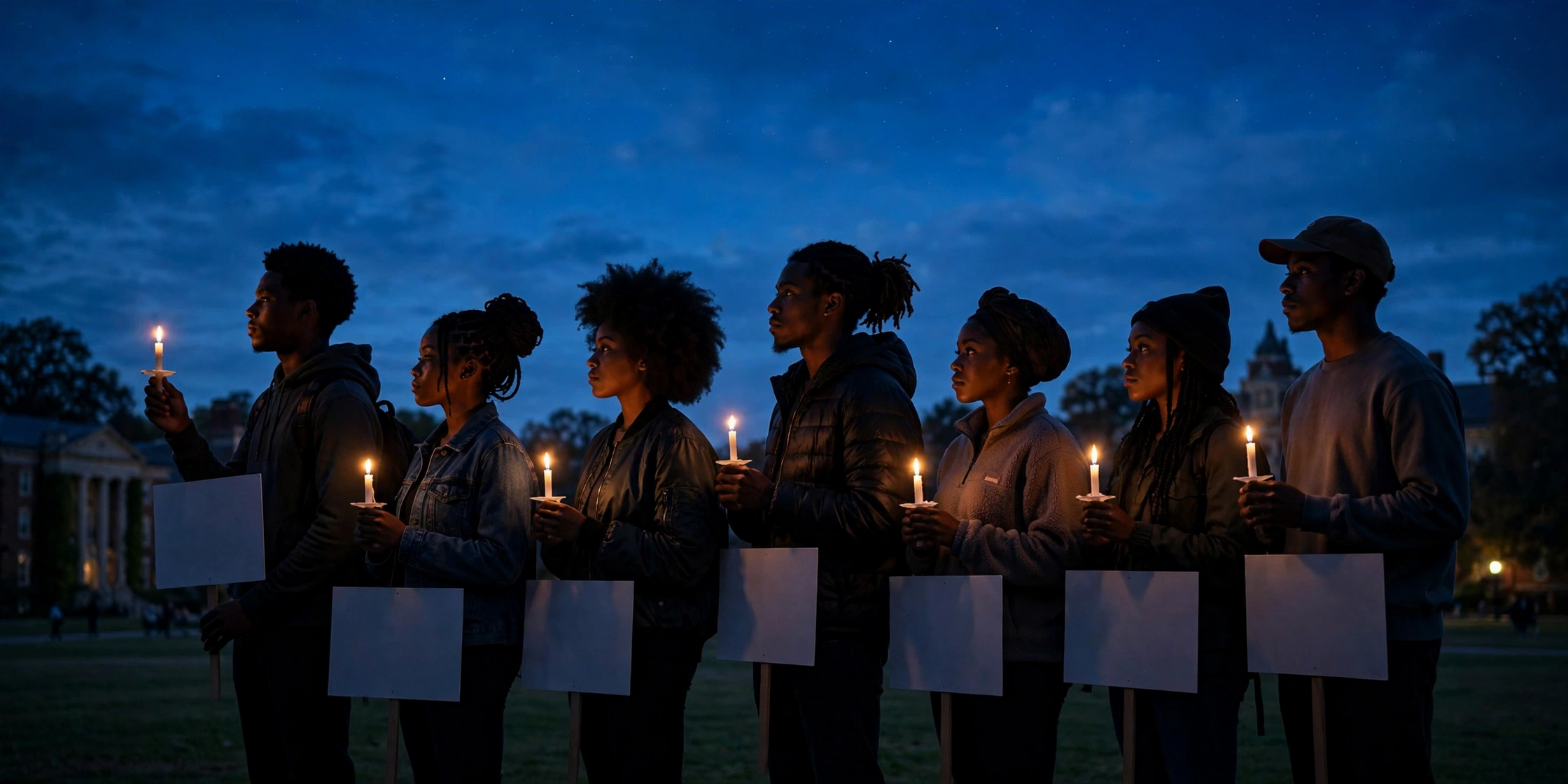

Nolan Wells should have come home from the Fourth of July. Instead, the 18-year-old from Ocean Springs, Mississippi, never made it off Horn Island — and three months later, his family is still demanding answers that a grand jury refused to give.
What happened to Nolan Wells
On July 4, Wells joined friends for an Independence Day gathering on Horn Island, a barrier island off the Mississippi Gulf Coast. He went missing that day. On July 6, a park ranger found his body on the island’s shoreline. He was 18 years old.
From the start, the circumstances raised questions. Wells’ family and supporters have pointed to injuries on his body — including bruising to the head — that they say don’t fit a simple drowning. Protesters have carried signs reading “He Did Not Drown” and chanted “No water in his lungs,” disputing the official account of how he died.
The grand jury’s decision
In September, a Mississippi grand jury reviewed the case — 43 witnesses, GPS data, multiple autopsies — and declined to bring any criminal charges. The jury found his death consistent with drowning and found no evidence of criminal conduct.
For the family, that wasn’t an answer. It was a door closing. Family attorney Ben Crump called the decision an attempt to shut the case without getting to the truth, and supporters continue to press for transparency about the undetermined details in the autopsy findings.
Why HBCU students are marching for Nolan Wells
On October 7, hundreds of students at Jackson State University marched at sunset, chanting the names of five young Black Mississippians who died under suspicious circumstances or by police violence: Nolan Wells, Trey Reed, Tasia Fortune, Kohen Wiley, and Jaylen Lewis. That march deliberately tied Wells’ case to voting rights — ending at the COFO Civil Rights Education Center, the historic home of Mississippi’s 1964 Freedom Summer voter registration drive. “It could have been any one of us,” one student said.
Earlier, on October 1, thousands of students across the Atlanta University Center — Spelman, Morehouse, Clark Atlanta, and Morris Brown — marched from the Woodruff Library to the Martin Luther King Jr. International Chapel at Morehouse, carrying signs reading “Black Boys Deserve to Grow Old.” Organizers said they wanted to send a message that students “are not going to be silent or apathetic to situations like this.”
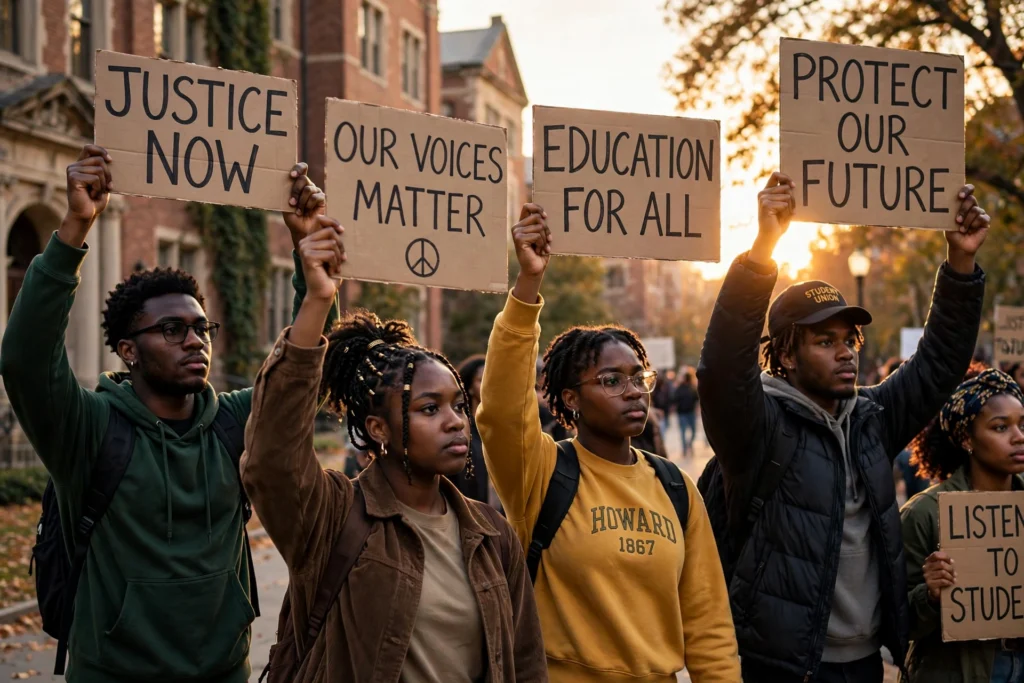
Since the Atlanta University Center march, the story has kept growing. Pastor Jamal Bryant joined the October 1 marchers, urging students to carry their advocacy from the streets to the ballot box — ‘to vote for Nolan Wells, knowing that he couldn’t, but we can.’ And the official record is less settled than the grand jury’s decision suggested: ABC News reported September 24 that the state autopsy classified the cause and manner of Wells’ death as undetermined, consistent with the preliminary findings of the family’s independent autopsy.
What comes next
The movement isn’t slowing. On Sunday, October 11, supporters are holding a rally and prayer vigil for Nolan Wells at Fort Monroe in Hampton, Virginia. And student organizers have been blunt that marches alone aren’t enough — at the AUC rally, speakers told the crowd their anger “should be driving them to register to vote.” The crowd chanted back: “Vote for Nolan Wells!”
The bottom line
A grand jury says Nolan Wells drowned. His family, his community, and thousands of HBCU students say the questions remain unanswered. Until they are, they’ll keep marching — and now, they’re marching to the ballot box too.
For more on the issues facing Black Mississippians, read our coverage of how new food stamp reforms are hitting Black communities hardest.