

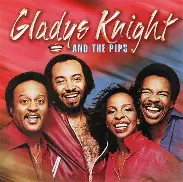

Gladys Knight was born Gladys Maria Knight on May 28, 1944, in Atlanta, Georgia. Raised in a musical household and rooted in the Black church, Knight was singing publicly by the age of four. Long before fame or formal recording, her voice was already being shaped by gospel, discipline, and community.
A Child Prodigy Before the Spotlight
Knight’s talent was evident early. As a child, she performed on talent shows and competitions, winning audiences with a voice that carried emotion far beyond her years. Music was not a phase or experiment — it was a calling that revealed itself almost immediately.
Forming Gladys Knight & the Pips
In the early 1950s, Gladys Knight formed a family group that would eventually become Gladys Knight & the Pips. What began as a family act evolved into one of the most enduring groups in the history of soul and R&B. Their chemistry wasn’t manufactured; it was lived-in, built through years of performing together long before national recognition arrived.
Motown Years and Artistic Growth
Signing with Motown in the 1960s brought visibility, but not without challenges. While Motown was known for polish and crossover appeal, Knight’s voice carried grit, depth, and church-rooted emotion. Songs like “I Heard It Through the Grapevine” showcased her ability to balance restraint with power, helping the group stand out in a crowded label roster.
Breaking Away and Defining a Sound
When Gladys Knight & the Pips left Motown in the 1970s, they entered one of their most successful periods. Hits like “Midnight Train to Georgia” cemented Knight’s place as one of the most emotionally resonant vocalists in American music. Her voice didn’t overpower — it connected. Every note felt lived in.
Longevity Without Reinvention
Unlike many artists who relied on reinvention to survive changing eras, Gladys Knight relied on consistency. Her voice matured, but it never lost its clarity or emotional weight. She continued recording, touring, and performing at a level that demanded respect, not nostalgia.
The Transition From the Pips to a Solo Chapter
By the late 1980s, after decades of touring, recording, and performing together, Gladys Knight & the Pips began to slow their pace. The group had already secured its place in music history, and the demands of constant travel no longer aligned with where everyone was in life.
Rather than ending in conflict, the transition was rooted in respect. The Pips chose to step away from full-time performing, while Gladys Knight continued forward, still driven by music and purpose. There was no public fallout, no bitter separation — just a natural shift after a lifetime of shared work.
Knight’s move into a fully solo chapter wasn’t about leaving the group behind. It was about honoring what had already been built while allowing each member the freedom to move into the next phase of life. That kind of ending is rare in an industry known for broken partnerships.
Her continued success after the Pips further reinforced what audiences had always known — her voice, discipline, and emotional clarity could stand on their own, just as they always had within the group.
A Voice Rooted in Faith and Discipline
Throughout her career, Knight remained grounded in faith and personal discipline. That grounding influenced not only her music but her longevity. While trends shifted and the industry changed, her foundation remained the same — preparation, humility, and purpose.
Why Gladys Knight’s Story Still Matters
Gladys Knight represents endurance in its purest form. Her career spans generations without dilution, spectacle, or scandal. She didn’t chase relevance. Relevance followed her.
In a world that often overlooks the architects of Black music history, telling her story clearly and completely isn’t optional — it’s necessary. And that’s why this work matters.