


Throughout American history, Black protest movements have been consistently framed as dangerous, radical, or threatening — regardless of their goals, methods, or messages. From peaceful marches to community organizing, Black resistance has repeatedly been treated not as civic engagement, but as a public safety concern.
This pattern is not new. And it has never truly changed.
The Civil Rights Era: “Agitators” and “Disruptors”
During the 1950s and 1960s, civil rights activists demanding basic rights were often described by politicians and media outlets as outside agitators stirring unrest. Peaceful demonstrations were met with police dogs, fire hoses, mass arrests, and government surveillance.
Even leaders committed to nonviolence were treated as threats to national stability. Martin Luther King Jr. was monitored by federal agencies under the claim that his activism posed a risk to public order. The language of “law and order” became a convenient justification for suppressing protest rather than addressing its demands.
The Black Panther Party and the Fear of Organization
When the Black Panther Party emerged in the late 1960s, the narrative intensified. The Panthers were quickly labeled militant and dangerous, often without context.
What was frequently omitted from mainstream coverage were the party’s extensive community programs — free breakfast for children, health clinics, education initiatives, and voter awareness campaigns. Armed patrols, legal at the time, were used to monitor police behavior, yet they became the focal point of media portrayals.
The Panthers represented something institutions feared deeply: organized, politically educated Black communities willing to assert their rights.
Modern Movements, Same Language
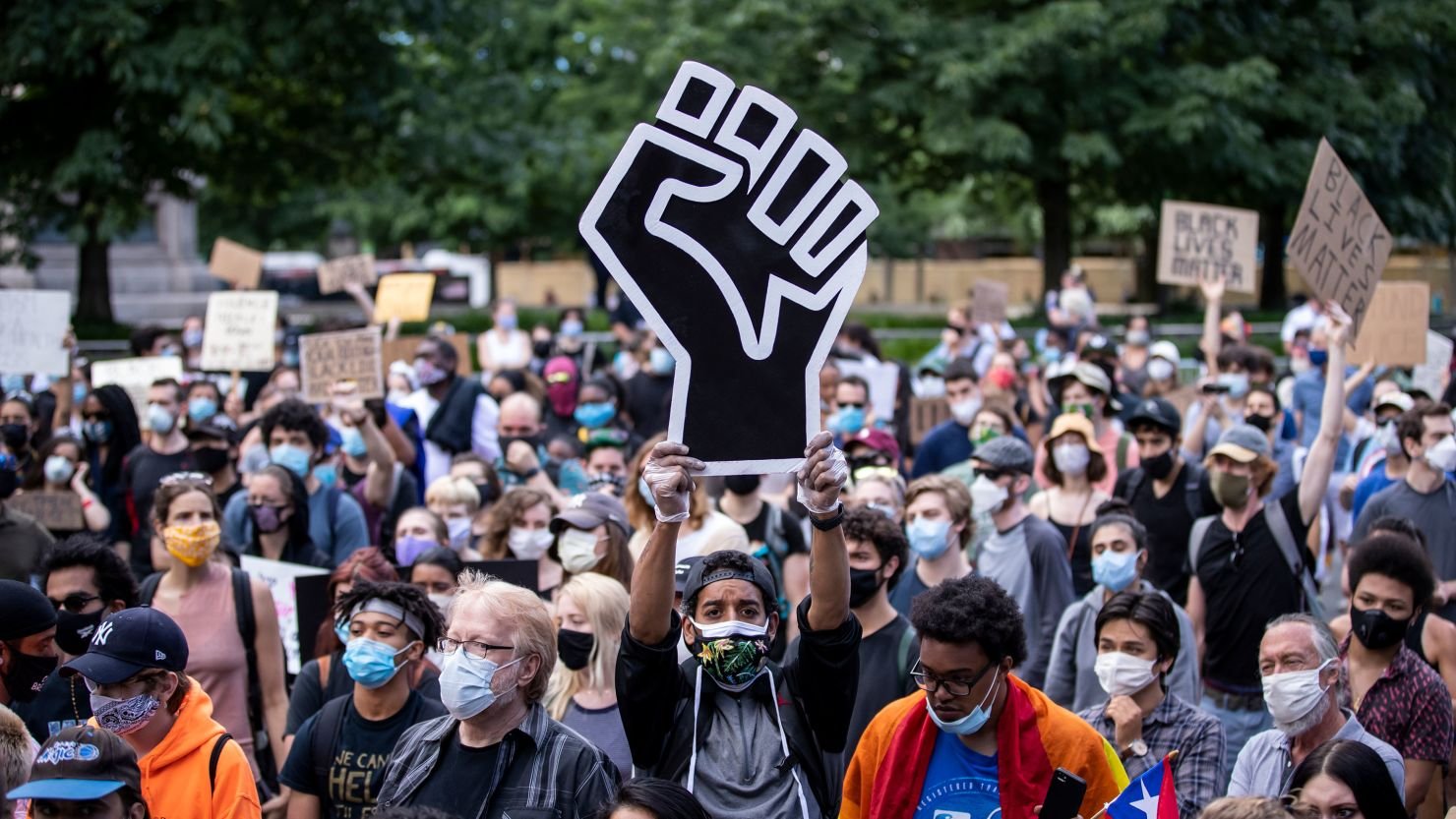
Decades later, the same framing persists. During protests following high-profile cases of police violence, media coverage often shifts quickly from the cause of the protest to property damage, traffic disruption, or isolated incidents of violence.
Movements advocating accountability and reform are labeled as riots. Protesters are described as threats to public safety. The underlying issues — racial disparities, use of force, systemic inequality — are pushed aside in favor of sensational imagery and headlines.
This selective framing shapes public opinion and policy responses, reinforcing the idea that Black protest itself is the problem.
Why the “Threat” Label Persists
Labeling Black protest movements as threats serves a purpose. It delegitimizes demands for change, justifies aggressive law enforcement responses, and discourages public sympathy. It also reframes structural grievances as behavioral problems rather than systemic failures. By focusing on fear instead of context, institutions avoid accountability while maintaining control.
A Double Standard in Protest Narratives
Not all protests are framed equally. Demonstrations led by Black communities are more likely to be described using language associated with danger or disorder, while other groups engaging in similar tactics are often framed as passionate, frustrated, or patriotic.
The Pattern Continues — But So Does the Resistance
While the language has evolved, the intent remains familiar. Yet so does the resilience of Black movements. Each generation finds new ways to organize, communicate, and demand justice, even in the face of misrepresentation.
The pattern may never have changed — but neither has the determination to challenge it.