

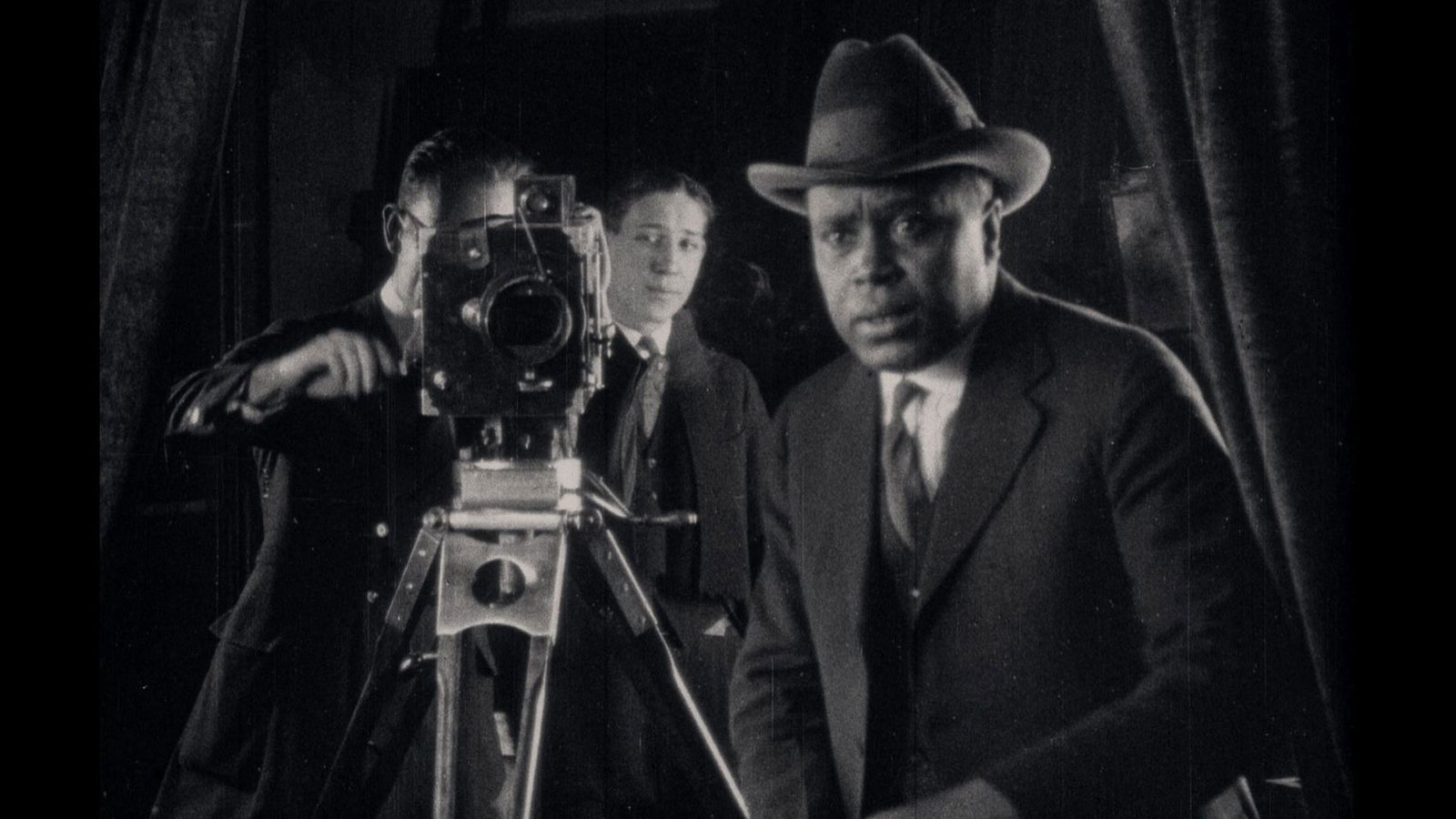

Black Filmmakers – Long before Hollywood budgets, studio lots, and award campaigns, Black filmmakers were already telling stories on screen. They didn’t wait for permission, approval, or funding. They worked with what they had—because the stories mattered more than the resources. Hollywood did not create Black cinema. It arrived late to something that already existed.
Filmmaking as Survival, Not Luxury
In the early 20th century, Black filmmakers operated in a country where segregation shaped every part of life—including entertainment. Mainstream films routinely portrayed Black people as caricatures or erased them altogether. Waiting for inclusion was not an option.
So Black creators built their own industry.
They wrote scripts, raised money from churches and local businesses, acted in their own films, distributed reels by hand, and screened movies in segregated theaters, schools, and community halls. These films became known as “race films,” created specifically for Black audiences who were hungry to see themselves portrayed with dignity. This was filmmaking as survival—not prestige.
Oscar Micheaux and the Blueprint for Independence
One of the most important figures in early Black cinema was Oscar Micheaux, a filmmaker who did nearly everything himself. He wrote, directed, produced, and distributed more than 40 films between the 1910s and 1940s—without studio backing.
Micheaux’s films addressed lynching, land ownership, corruption, passing, and economic independence—subjects Hollywood avoided entirely. His work wasn’t designed to make audiences comfortable. It was designed to make them think. He didn’t wait for Hollywood to change. He worked around it.
An Entire Industry Outside the Spotlight
Micheaux was not alone. Dozens of Black filmmakers, actors, and production companies operated in parallel to Hollywood. Their films circulated through a separate network of theaters that mainstream film history rarely acknowledges. These creators understood something early: if they didn’t control their own narratives, someone else would distort them.
The lack of preservation wasn’t accidental. Many of these films were underfunded, undocumented, and ignored by archives that didn’t consider them valuable at the time. As a result, much of early Black cinema has been lost—not because it didn’t matter, but because institutions didn’t care to save it.
From Independent Struggle to Limited Access
By the mid-20th century, a few Black filmmakers began to break into Hollywood—but often under strict limitations. Even when allowed behind the camera, creative control was restricted, budgets were small, and expectations were narrow.
Gordon Parks, already respected as a photographer, transitioned into filmmaking with stories grounded in real Black life. His work demonstrated that when Black creators were trusted—even minimally—the results were powerful and culturally lasting. Still, these opportunities were exceptions, not the rule.
What “Funding” Really Changed—and What It Didn’t
Hollywood funding didn’t suddenly create Black talent. It changed who controlled distribution, marketing, and legacy.
Access brought visibility, but it also came with compromises. Many stories were softened, filtered, or reshaped to fit mainstream comfort. The struggle shifted from being seen at all to being seen accurately.
Understanding this history matters because it reframes today’s conversations. When modern Black filmmakers are praised as “groundbreaking,” it’s worth asking: groundbreaking compared to what—and to whom?
The Legacy Hollywood Didn’t Build
Black filmmakers didn’t begin with studio deals. The vision began by creating cinema in basements, churches, traveling theaters, and segregated venues. They developed films through community trust. They proved that storytelling doesn’t require permission—only purpose. Hollywood eventually noticed. But by then, the foundation had already been laid. Black cinema was never born from funding. Funding simply arrived after the work was already done.