

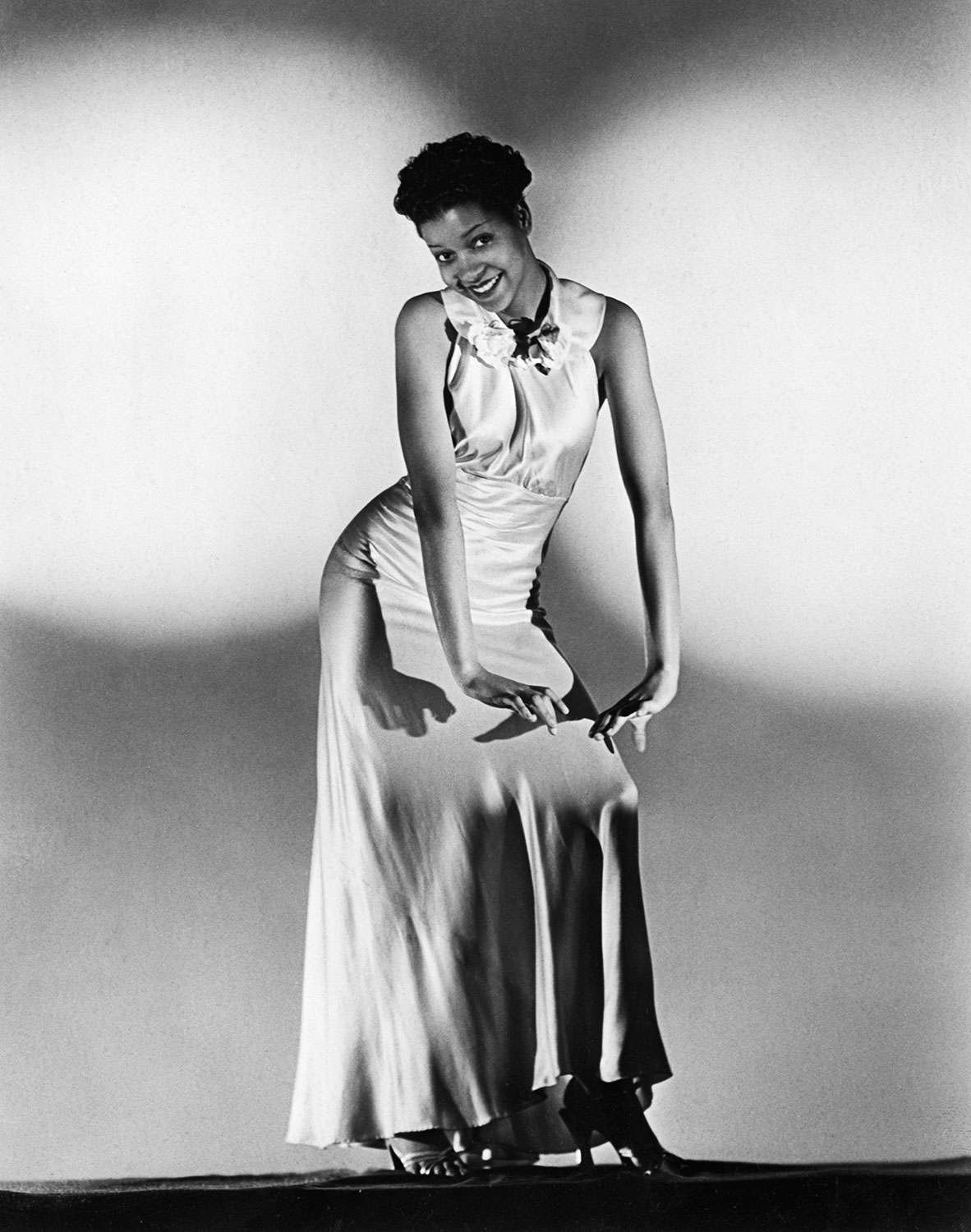

Dorothy Dandridge did not lack talent, beauty, or ambition. From her earliest days growing up in Cleveland, Ohio, Dorothy was immersed in performance. Born on November 9, 1922, she performed with her sister Vivian in a family act called The Wonder Children, singing, dancing, and touring churches and small venues during the Great Depression.
Her mother, Ruby Dandridge, was an entertainer herself, and she guided Dorothy and Vivian into show business — first locally, then under the name The Dandridge Sisters — as the pair toured the country before eventually settling in Los Angeles.
Breaking Hollywood’s Color Line
Dorothy Dandridge’s transition from live performer to Hollywood screen presence was historic. In 1954, she became the first African-American woman ever nominated for the Academy Award for Best Actress for her performance in Carmen Jones. That nomination broke barriers in an industry where Black actors were often relegated to servant roles or excluded entirely.
Her recognition wasn’t limited to the Oscars. Dandridge also earned a Golden Globe nomination for her performance in Porgy and Bess and became one of the first Black women to grace the cover of Life magazine — yet opportunities remained limited even after these achievements.
Fame With Limits
Success in Hollywood did not erase the racial discrimination that shaped Dorothy’s life. Despite her groundbreaking accomplishments, roles for Black actresses remained scarce. Many producers hesitated to cast her opposite white actors, and studio executives often sidelined her when box office performance didn’t meet their expectations.
Segregation was still a reality off screen. Even as a celebrated performer, she encountered the same Jim Crow limitations that affected African Americans across the country — from restricted access to venues to travel barriers that followed her career. This dichotomy between acclaim and exclusion defined much of her professional journey.
A Personal Toll
Dorothy’s career was complicated by her personal life as well. She married dancer Harold Nicholas in 1942, with whom she had a daughter, Harolyn. The marriage ended in divorce in 1951, and Harolyn’s serious health challenges added emotional strain to Dandridge’s already demanding life.
Later relationships and professional downturns only deepened pressures on her well-being. Financial instability followed career setbacks, and roles became harder to secure as Hollywood typecast and constrained her options.
Legacy Beyond the Screen
Dorothy Dandridge’s life came to a tragic end on September 8, 1965. She died in West Hollywood at the age of 42. Although initial reports varied, her death was widely attributed to an accidental overdose.
Despite her early passing, her legacy has endured. She paved the way for future generations of Black actresses. Dandridge demonstrated that talent and presence could not be contained by Hollywood’s racist limitations. In later decades, her life story inspired films like Introducing Dorothy Dandridge. The movie starred Halle Berry, reaffirming her place in cultural history