

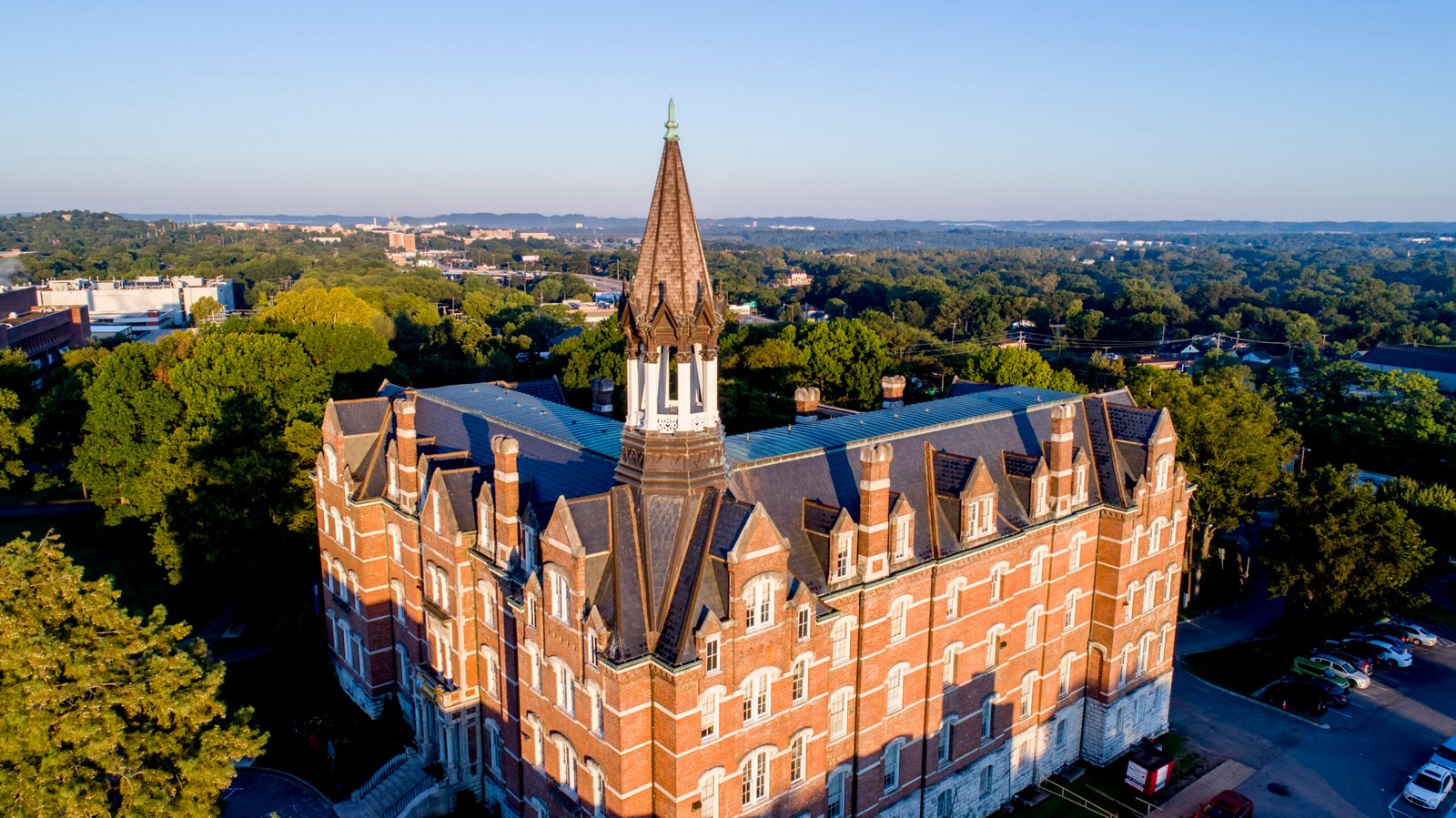

In 1866, just one year after the end of the Civil War, Fisk University was founded in Nashville, Tennessee. At a time when formerly enslaved Black Americans were fighting not only for freedom, but also for education.
Fisk was established by the American Missionary Association. They had a clear mission. To educate newly freed African Americans who had been denied literacy and formal schooling under slavery. Classes initially met in abandoned Union Army barracks, with limited resources but unlimited determination.
Education as Liberation
For formerly enslaved people, education represented power. The ability to read, write, and think was seen as a threat to white supremacy. However, it was a path to self-determination for Black communities.
Fisk became one of the earliest Historically Black Colleges and Universities (HBCUs). They offered classical education at a time when many believed Black Americans were unworthy of higher learning. Despite violent opposition and a lack of funding, Fisk persisted.
The Fisk Jubilee Singers
In 1871, Fisk gained national and international recognition through the Fisk Jubilee Singers, a group of students who performed spirituals to raise money for the struggling school. Their performances introduced the world to African American spiritual music as a respected art form.
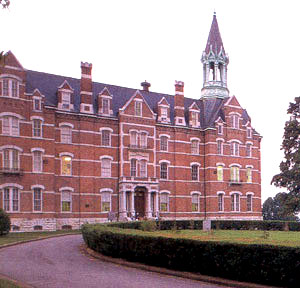
The group’s success helped fund the construction of Jubilee Hall. Which still stands as a symbol of Black resilience and excellence today.
A Legacy That Still Matters
Fisk University has produced generations of influential Black leaders, scholars, artists, and activists. Its founding in 1866 reminds us that Black education was never handed out—it was built through struggle, sacrifice, and vision.
In a time when laws tried to limit Black advancement, institutions like Fisk proved that knowledge itself was an act of resistance.
Why This History Matters Today
HBCUs like Fisk continue to play a vital role in American education, producing a disproportionate number of Black professionals, educators, and cultural leaders.
The founding of Fisk University is not just a historical moment—it’s a reminder that education has always been central to Black progress and survival.